Crochet unlocks a world of creativity, offering a fulfilling hobby for all skill levels, and a PDF guide is key to mastering foundational techniques․
Crochet is wonderfully versatile, allowing creation of diverse items, and learning basic stitches is essential for beginners to build confidence and expertise․
A readily available crochet stitch PDF provides a convenient, printable resource for quick reference, ensuring success in every project you undertake․
This downloadable resource includes the chain, single, half double, double, and treble crochet stitches, offering a comprehensive starting point for your journey․
What is Crochet and Why Learn?
Crochet is a captivating needlework technique, utilizing a hook to interlock loops of yarn, thread, or other materials to create textiles․ Unlike knitting, which uses two needles, crochet employs a single hook, making it uniquely accessible and portable․ This ancient craft boasts a rich history, evolving from humble beginnings to a globally cherished art form․
But why learn crochet? The benefits are numerous! It’s an incredibly relaxing and meditative activity, offering a welcome escape from the stresses of daily life․ Beyond the therapeutic aspects, crochet empowers you to create personalized, handmade items – from cozy blankets and stylish garments to adorable amigurumi and practical home décor․
Furthermore, learning crochet fosters creativity, problem-solving skills, and a sense of accomplishment․ A crochet basic stitches PDF serves as the perfect launchpad, providing a structured pathway to mastering the fundamental techniques․ It’s an investment in a rewarding hobby that can bring joy for years to come, allowing you to express your individuality through beautiful, handcrafted creations․
The Importance of a Crochet Stitch PDF
A crochet stitch PDF is an invaluable asset for both novice and experienced crocheters alike․ It provides a concentrated, easily accessible resource for mastering fundamental techniques, eliminating the need to constantly refer to books or online tutorials while actively crocheting․ This portability is a significant advantage, allowing you to practice and learn on the go․
These PDF guides typically feature clear, step-by-step instructions accompanied by illustrative diagrams, making it simple to visualize and understand each stitch․ Having a printable version means you can keep it close at hand, free from distractions of a screen, and even annotate it with personal notes․
A well-structured crochet basic stitches PDF often includes essential information like stitch abbreviations, yarn weight recommendations, and hook size guidance, streamlining the learning process․ It’s a foundational tool that empowers you to confidently tackle a wide range of crochet projects, fostering skill development and creative expression․
Essential Crochet Stitches for Beginners
Crochet begins with mastering core stitches; a PDF simplifies learning the chain, single, half double, double, and treble crochet for beginners․
Chain Stitch (ch) ― The Foundation
The chain stitch is the absolute cornerstone of nearly every crochet project, serving as the foundational base upon which all other stitches are built․ A comprehensive crochet stitch PDF will invariably begin with a detailed explanation and visual guide to mastering this essential technique․
Essentially, the chain stitch creates a series of interconnected loops, forming a ‘chain’ that determines the width of your work․ Learning to create consistent and even chains is crucial for achieving a neat and professional finish․ Beginners often find it helpful to practice making chains of varying lengths to develop muscle memory and control․
A good PDF resource will illustrate the process step-by-step, showing how to create the initial slip knot and then how to yarn over and pull through to form each subsequent chain․ Understanding chain stitch multiples is also important, as these dictate the width of your project based on the pattern instructions․
Slip Stitch (sl st) ― Joining and Finishing
The slip stitch, often abbreviated as ‘sl st’, is a deceptively simple crochet stitch with a multitude of uses, and a good crochet stitch PDF will clearly demonstrate its versatility․ While it doesn’t add significant height to your work, it’s invaluable for joining rounds, finishing off projects, and creating neat edges․
Essentially, the slip stitch involves inserting your hook into a stitch, yarn over, and pulling a loop through both the stitch and the loop already on your hook – all in one motion․ This creates a very flat, almost invisible stitch․ A detailed PDF guide will showcase this movement with clear diagrams․
Beyond joining, slip stitches are frequently used to move across a row without adding height, or to create a decorative edging․ Mastering this stitch is crucial for achieving a polished and professional look to your crochet creations, making it a key component of any beginner’s PDF resource․
Single Crochet (sc) ― The Most Basic Stitch
The single crochet (sc) is widely considered the foundational stitch in crochet, and any comprehensive crochet stitch PDF will dedicate significant attention to it․ It’s a short, dense stitch perfect for beginners due to its simplicity and clear definition․ Mastering this stitch unlocks a vast range of project possibilities․
To execute a single crochet, you insert your hook into a stitch, yarn over, pull up a loop (two loops on hook), yarn over again, and pull through both loops․ This creates a compact, textured fabric․ A good PDF will illustrate each step with accompanying images for easy understanding․
Because of its density, single crochet is ideal for amigurumi, blankets, and items requiring a sturdy fabric․ It’s a building block for more complex stitches, making proficiency essential․ A well-designed crochet stitch PDF will emphasize its importance and provide practice guidance․
Half Double Crochet (hdc) ‒ A Step Up
The half double crochet (hdc) stitch represents a natural progression from the single crochet, offering a slightly taller and more open fabric․ A quality crochet stitch PDF will clearly demonstrate this step-up in complexity, building upon the foundation established with the sc stitch․ It’s a versatile stitch, faster to work than single crochet, yet still relatively dense․
To perform an hdc, yarn over, insert your hook into the stitch, yarn over, pull up a loop (three loops on hook), yarn over, and pull through all three loops․ This creates a stitch that’s taller than sc but shorter than dc․ A helpful PDF will include visual aids to clarify this process․
Hdc is frequently used in garments, blankets, and accessories where a balance of texture and drape is desired․ A comprehensive crochet stitch PDF will showcase its versatility and provide pattern examples utilizing this stitch․
Double Crochet (dc) ‒ Faster and Taller
The double crochet (dc) stitch is a cornerstone of crochet, known for its speed and height․ A well-designed crochet stitch PDF will illustrate how dc creates a more open fabric compared to single or half double crochet, making it ideal for projects needing quicker completion․ It’s a fundamental stitch for many patterns․
To execute a dc, yarn over, insert your hook into the stitch, yarn over, pull up a loop (three loops on hook), yarn over, pull through the first two loops, and then yarn over and pull through the remaining two loops․ A clear PDF guide will break down each step visually․
Double crochet is frequently used in blankets, scarves, and garments, offering a good balance between texture and drape․ A comprehensive crochet stitch PDF will demonstrate its applications and provide practice patterns․
Treble Crochet (tr) ‒ Even Taller Stitches
The treble crochet (tr), also known as triple crochet, builds upon the double crochet, creating even taller stitches and a lacier fabric․ A helpful crochet stitch PDF will visually demonstrate this progression, highlighting how the increased height impacts the overall texture of your work․ It’s a fantastic stitch for adding dramatic height․
To work a treble crochet, yarn over twice, insert your hook, yarn over, pull up a loop (four loops on hook), yarn over, pull through two loops, yarn over, pull through two loops, and finally, yarn over and pull through the last two loops․ A detailed PDF simplifies this process․
Treble crochet is excellent for creating openwork designs, borders, and decorative elements․ A quality crochet stitch PDF will offer project ideas and variations, expanding your creative possibilities with this versatile stitch․
Understanding Crochet Patterns and Terminology
Crochet patterns utilize specific abbreviations and charts; a PDF guide clarifies these, ensuring accurate stitch execution and successful project completion for all crafters․
Crochet Abbreviations Explained
Crochet patterns are often written using a shorthand of abbreviations to save space and streamline instructions; understanding these is crucial for successful project completion․ A comprehensive crochet stitch PDF will typically include a key to decipher these codes․
Common abbreviations you’ll encounter include ‘ch’ for chain stitch, the foundational element of most crochet work․ ‘sc’ represents single crochet, the most basic stitch, while ‘hdc’ signifies half double crochet, offering a slightly taller texture․ ‘dc’ stands for double crochet, creating a faster-growing fabric, and ‘tr’ denotes treble crochet, resulting in even more height․
‘sl st’ means slip stitch, used for joining rounds or finishing off․ Recognizing these abbreviations, often found within a PDF, allows you to confidently follow pattern instructions and bring your creative vision to life․ Mastering these terms unlocks a world of crochet possibilities!
Reading a Crochet Chart
Crochet charts offer a visual alternative to written patterns, representing stitches with symbols instead of words; a good crochet stitch PDF may include chart examples․ These charts can initially seem daunting, but they become intuitive with practice, providing a clear roadmap for your project․
Each symbol corresponds to a specific stitch – for example, a circle often represents a single crochet, while a taller symbol indicates a double crochet․ Charts are typically read from right to left for odd rows and left to right for even rows․ Understanding the key, usually provided alongside the chart in a PDF, is essential․
Charts also illustrate repeats, indicated by brackets or lines, simplifying complex patterns․ Learning to read crochet charts expands your pattern access and enhances your understanding of stitch placement, ultimately improving your crochet skills․
Gauge and Why It Matters
Gauge, often listed in a crochet stitch PDF pattern, refers to the number of stitches and rows within a specific measurement – typically 4 inches or 10 centimeters․ Achieving the correct gauge is crucial for ensuring your finished project matches the intended size and design․ Variations in yarn weight, hook size, or even individual tension can significantly alter your gauge․
If your gauge is too tight (more stitches and rows than specified), your project will be smaller․ Conversely, a looser gauge (fewer stitches and rows) will result in a larger item․ To check your gauge, crochet a swatch using the yarn and hook recommended in the PDF․
Measure your swatch and compare it to the pattern’s gauge․ Adjust your hook size if necessary to achieve the correct gauge before starting your project, guaranteeing a successful outcome․
Finding and Using Crochet Stitch PDFs
Numerous online resources offer free and paid crochet stitch PDF patterns, providing accessible learning tools for all skill levels and project preferences․
Downloading and printing PDFs allows for convenient, offline access to instructions, enhancing the crochet experience and project portability․
Free Crochet Stitch PDF Resources
Accessing free crochet stitch PDF resources is an excellent starting point for beginners eager to learn without initial investment․ Many websites and blogs dedicated to crochet offer downloadable PDFs covering essential stitches like the chain, single crochet, and double crochet․
Websites like Ravelry, while primarily a pattern database, often host free stitch tutorials in PDF format contributed by the crochet community․ Additionally, numerous crochet bloggers provide free PDF cheat sheets as lead magnets to attract subscribers, offering concise guides to fundamental stitches․
YouTube channels frequently complement their video tutorials with downloadable PDFs summarizing the steps, providing a visual and textual learning experience․ Searching for “free crochet stitch PDF” will yield a wealth of options, but always ensure the source is reputable to avoid incomplete or inaccurate instructions․ Remember to bookmark these resources for easy access during your crochet projects!
Paid Crochet Stitch PDF Patterns
While numerous free resources exist, investing in paid crochet stitch PDF patterns can offer a more structured and comprehensive learning experience․ Platforms like Etsy, Ravelry, and LoveCrafts host a vast selection of professionally designed PDFs, often including detailed diagrams, clear instructions, and multiple variations of basic stitches․
These paid patterns frequently go beyond the fundamentals, introducing stitch combinations and techniques for creating textured fabrics․ They often include stitch dictionaries, showcasing a wide range of stitches with accompanying PDF guides․
Purchasing PDFs supports crochet designers and ensures high-quality content․ Many designers offer pattern bundles or stitch collections at discounted prices․ Consider exploring patterns focused on specific techniques, like Tunisian crochet or filet crochet, to expand your skillset beyond the basic stitches․ Paid resources often provide a more polished and reliable learning path․
How to Download and Print Crochet PDFs
Downloading crochet stitch PDF patterns is typically straightforward․ After purchasing or accessing a free PDF, locate the download link, usually sent via email or available on the website․ Click the link to save the file to your computer or device․ Ensure you have sufficient storage space before downloading larger pattern collections․
Printing requires a PDF reader like Adobe Acrobat Reader, readily available for free․ Open the PDF and select the print option․ For optimal readability, choose “Actual Size” or “100%” scaling in the print settings․ Consider printing in grayscale to save ink․
Double-sided printing can conserve paper, but ensure the pattern layout allows for easy reading when folded․ Laminating frequently used pages enhances durability; Properly downloaded and printed PDFs become invaluable companions during your crochet projects․

Advanced Beginner Stitches
Expanding your skillset, front and back post double crochet add texture, while the shell stitch creates beautiful, decorative elements for your crochet projects․
Front Post Double Crochet (fpdc)
The Front Post Double Crochet (fpdc) stitch is a fantastic way to add beautiful texture and visual interest to your crochet projects, building upon the basic double crochet foundation․
Unlike a standard double crochet worked directly into the stitch, the fpdc is worked around the post of the stitch from the previous row, creating a raised, ribbed effect․
To begin, yarn over, insert your hook around the post of the stitch below (going from front to back), yarn over, pull up a loop, yarn over, pull through two loops, yarn over, and pull through the remaining two loops – completing the stitch․
This creates a lovely vertical ribbing, perfect for adding detail to blankets, scarves, or even garment panels․ Mastering the fpdc opens up a whole new dimension of design possibilities!
Practice this stitch to gain confidence, and you’ll quickly find it becomes a staple in your crochet repertoire, enhancing the texture and appearance of your creations․
Back Post Double Crochet (bpdc)
The Back Post Double Crochet (bpdc) stitch is a wonderful technique for adding texture and a distinctive ribbed pattern to your crochet work, complementing the front post version․
Similar to the fpdc, the bpdc is worked around the post of the stitch from the previous row, but instead of going around the front, you work around the back of the post․
To execute this stitch, yarn over, insert your hook around the post of the stitch below (going from back to front), yarn over, pull up a loop, yarn over, pull through two loops, yarn over, and pull through the remaining two loops․
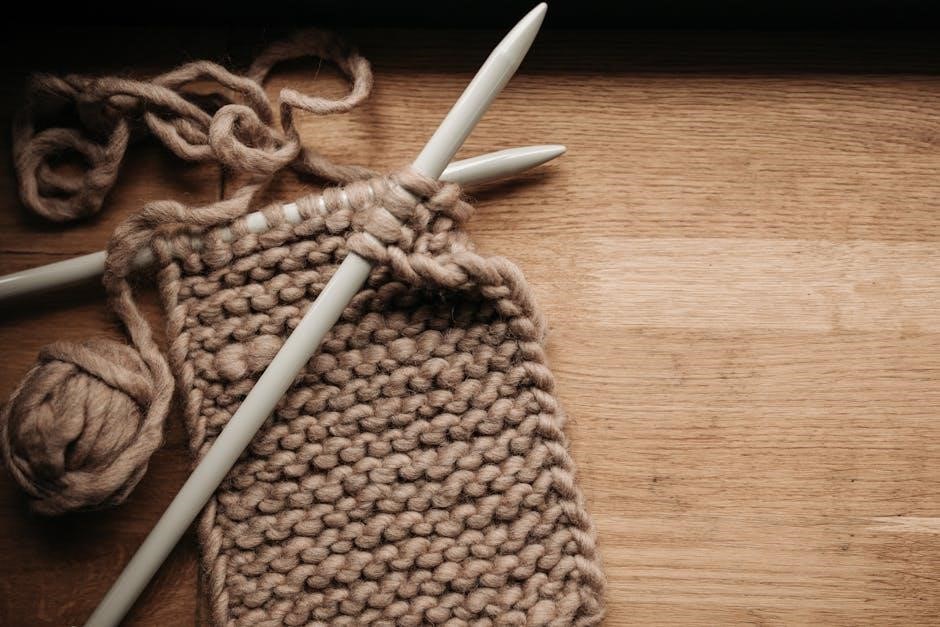
This creates a raised rib that appears to be coming forward, contrasting beautifully with the fpdc and adding depth to your projects․ It’s ideal for creating cozy textures!
Experiment with alternating fpdc and bpdc stitches within the same row to create intricate patterns and visually appealing designs․ Practice makes perfect!
Shell Stitch ― Adding Texture
The Shell Stitch is a beautiful and versatile crochet technique renowned for its fan-like appearance, adding a lovely textured element to blankets, borders, and garments․
Typically, a shell stitch is created by working multiple double crochet stitches (often 5) into the same stitch or space, then joining them together with a single crochet or slip stitch in the central stitch․
This creates a “shell” shape, hence the name! Variations exist, using different stitch heights or numbers of stitches within the shell for diverse effects․
Shell stitches are fantastic for borders, providing a decorative edge, or for creating all-over patterns in larger projects like baby blankets or shawls․
Experiment with spacing the shells – closer together for a denser texture, or further apart for a more open and airy look․ It’s a visually striking stitch!

Troubleshooting Common Crochet Issues
Encountering difficulties is normal; fixing dropped stitches, correcting uneven edges, and understanding yarn weight/hook size are crucial for successful crochet projects․
Fixing Dropped Stitches
Dropping a stitch happens to every crocheter, even experienced ones! Don’t panic; it’s usually easily fixable․ The key is to identify the dropped stitch as soon as possible to prevent it from unraveling further․ Look for a “ladder” of yarn running down your work – this indicates a missed or dropped stitch․
To fix it, use your crochet hook to carefully pull up loops from the stitches below where the stitch was dropped, essentially recreating the missing stitch․ You may need to use a yarn needle to help guide the yarn if the loops are tight․ Work your way up, recreating each loop until you reach the row where the stitch was originally dropped․ Then, complete the stitch as normal․
A helpful tip is to use stitch markers, especially when learning, to clearly mark each stitch and make it easier to spot any that are missed or dropped․ Regularly checking your work can also prevent significant unraveling, making the repair process much simpler․ Remember, practice makes perfect!
Correcting Uneven Edges
Uneven edges are a common frustration for beginner crocheters, often stemming from inconsistent tension or accidentally adding/missing stitches at the row’s end․ Identifying the problem area is the first step – carefully count your stitches in each row to pinpoint where the discrepancy begins․
To correct unevenness, you might need to strategically add or remove stitches․ If you have too few stitches, carefully crochet an extra stitch into the last stitch of the row․ Conversely, if you have too many, discreetly skip a stitch or crochet two stitches together to decrease․
Maintaining consistent tension is crucial․ Practice holding the yarn and hook with a relaxed grip, and aim for uniform stitch size․ Blocking your finished project can also help even out edges, as the moisture allows the fibers to relax and settle into a more consistent shape․
Understanding Yarn Weight and Hook Size
Selecting the correct yarn weight and hook size is fundamental to achieving the desired look and feel of your crochet project․ Yarn weight, categorized from lace (0) to jumbo (7), dictates the yarn’s thickness and influences the fabric’s density․ A PDF guide often specifies the recommended yarn weight for a pattern․
Hook size directly impacts stitch definition and fabric drape․ Generally, thicker yarn requires a larger hook, while finer yarn needs a smaller one․ Using a hook size significantly different from the pattern’s recommendation can drastically alter the finished size and texture․
Always check the yarn label for the suggested hook size․ A gauge swatch, created using the specified yarn and hook, is essential to ensure your project matches the pattern’s dimensions․ Adjust hook size if your swatch doesn’t meet the gauge․
Resources for Continued Learning
Expand your crochet knowledge through vibrant online communities, comprehensive books, and engaging video tutorials, building upon your PDF foundation․
Explore diverse patterns and techniques, connecting with fellow crafters for inspiration and support, enhancing your crochet skillset further․
Utilize these resources to unlock advanced stitches and design your own unique crochet creations, fostering a lifelong passion․
Online Crochet Communities
Immerse yourself in the vibrant world of online crochet communities, a fantastic resource for continued learning and inspiration beyond your PDF guide․
Platforms like Ravelry offer extensive pattern databases, forums for asking questions, and project showcases to admire others’ work, fostering a supportive environment․
Facebook groups dedicated to crochet provide instant connections with fellow enthusiasts, allowing for quick advice, pattern discussions, and shared project photos․
Instagram, with its visual focus, is ideal for discovering new designers, techniques, and yarn choices, offering a constant stream of crochet inspiration․
YouTube channels dedicated to crochet offer a wealth of video tutorials, demonstrating stitches, patterns, and troubleshooting techniques in a visual format․
These communities are invaluable for overcoming challenges, gaining confidence, and expanding your crochet skillset, complementing your PDF learning․
Engage with experienced crocheters, share your projects, and receive constructive feedback, accelerating your progress and fostering a love for the craft․
Remember to respect community guidelines and contribute positively, creating a welcoming space for all crochet lovers․
Crochet Books and Magazines
Complement your crochet basic stitches PDF with the wealth of knowledge found in dedicated books and magazines, offering in-depth instruction and inspiration․
Books often provide comprehensive stitch dictionaries, detailed pattern instructions, and technique guides, building a strong foundation for your crochet journey․
Look for beginner-friendly titles that focus on essential stitches, pattern reading, and troubleshooting common issues, reinforcing your PDF learning․
Magazines offer a curated selection of patterns, showcasing current trends, yarn reviews, and designer interviews, keeping your creativity flowing․
Explore publications specializing in specific crochet styles, such as amigurumi, blankets, or garments, deepening your expertise in chosen areas․
These resources provide a tactile learning experience, allowing you to study patterns at your own pace and build a personal crochet library․
Consider visiting your local library or bookstore to browse titles and discover new authors and designers, expanding your crochet horizons․
Investing in quality books and magazines enhances your skills and provides endless project ideas, complementing your digital resources․
Crochet Video Tutorials

Enhance your learning experience alongside your crochet basic stitches PDF with the dynamic visual guidance of online video tutorials, offering a different perspective․
Videos allow you to see stitches demonstrated in real-time, clarifying techniques and helping you avoid common mistakes, supplementing your PDF knowledge․
Platforms like YouTube are brimming with free crochet tutorials, covering everything from beginner stitches to advanced techniques and complex patterns․
Search for specific stitches or techniques you’re struggling with, and watch multiple videos to gain a comprehensive understanding of the process․
Pause, rewind, and replay sections as needed, allowing you to learn at your own pace and master each stitch before moving on․
Many channels offer project-based tutorials, guiding you through the creation of finished items, building confidence and skill․
Look for channels with clear audio, well-lit demonstrations, and helpful close-up shots, maximizing your learning potential․
Video tutorials are an invaluable resource for visual learners, complementing your PDF and accelerating your crochet progress․